
Yes, semaglutide may cause insomnia in some individuals, but it is considered a less common side effect.
Most individuals who experience sleep problems notice them during the first few weeks of treatment, and symptoms often improve as the body adjusts.
Semaglutide is a GLP-1 receptor agonist used in medications such as Ozempic and Wegovy to treat type 2 diabetes and support weight loss. While it is generally well tolerated, some users report difficulty falling asleep or staying asleep, particularly early in treatment or after dose increases.
Why might semaglutide cause insomnia?
Although insomnia is not listed as a primary or frequent side effect in clinical trials, a few mechanisms may explain sleep disturbances:
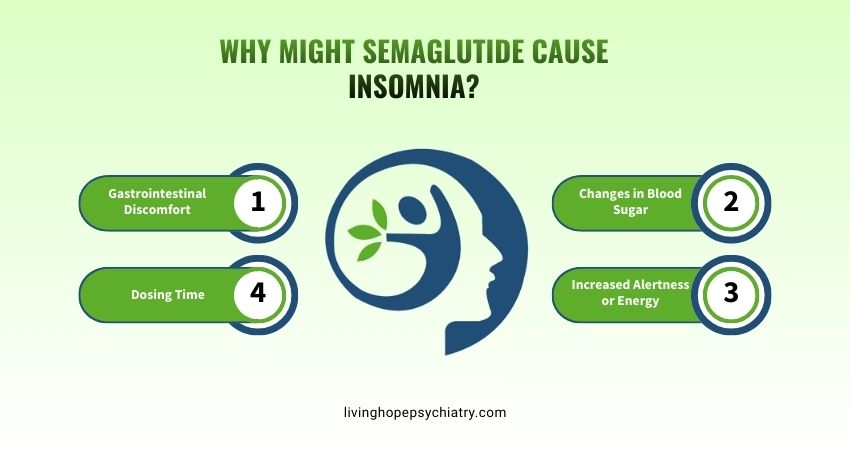
- Gastrointestinal Discomfort
Nausea, bloating, or acid reflux — common side effects of semaglutide — may interfere with sleep, especially if the medication is taken late in the day. - Changes in Blood Sugar
Blood sugar fluctuations can sometimes trigger restlessness or night awakenings. - Increased Alertness or Energy
As the body adapts to weight loss or metabolic improvements, some individuals may feel unusually energized, making it harder to fall asleep. - Dosing Time
Taking semaglutide close to bedtime may contribute to side effects that disrupt sleep.
What can you do if semaglutide causes insomnia?
If you notice sleep problems after starting semaglutide, the following strategies may help:
- Adjust dosing time: Taking semaglutide earlier in the day may reduce nighttime symptoms.
- Eat lighter evening meals: Avoid heavy, spicy, or acidic foods close to bedtime.
- Practice good sleep hygiene: Limit caffeine, screen time, and stimulating activities in the evening.
- Track your sleep: A sleep journal can help identify patterns and triggers.
- Talk to your provider: Persistent insomnia may require a dose adjustment or additional guidance.
Semaglutide, Ozempic, and Wegovy: Does Sleep Impact Differ?
Ozempic and Wegovy both contain semaglutide, but they are prescribed at different doses and for different purposes. Some individuals taking higher doses, such as those used for weight loss, report side effects more strongly, which may indirectly affect sleep. However, insomnia remains an uncommon reaction across all semaglutide formulations.
When should you talk to your doctor?
If your sleep issues are frequent, worsening, or affecting your daily functioning, speak with your healthcare provider. Insomnia can lead to fatigue, mood changes, and other health problems if left unmanaged.
Insomnia is not a guaranteed side effect of semaglutide, but it can happen. Personalized medical advice is key — never adjust your dosage or stop medication without professional guidance.
Sleep problems can be connected to stress, anxiety, or other mental health concerns. Living Hope Psychiatry offers professional mental health treatment throughout Texas, with experienced providers who focus on understanding your needs and creating a care plan that works for you.
FAQs:
Can Ozempic cause insomnia?
Yes, Ozempic (which contains semaglutide) may cause insomnia in some people. Although it’s not a common side effect, sleep disturbances have been reported, especially during the first few weeks or after a dose increase.
Does Wegovy affect sleep?
Wegovy may affect sleep in some individuals due to side effects like nausea, acid reflux, or changes in energy levels. These effects can indirectly interfere with falling or staying asleep.
How long does insomnia from semaglutide last?
For many people, insomnia improves within a few weeks as the body adjusts to semaglutide. If sleep problems persist beyond a month, it’s important to talk with a healthcare provider.
Is insomnia more common at higher semaglutide doses?
Some users report sleep issues after increasing their dose. Higher doses may intensify side effects such as nausea or restlessness, which can disrupt sleep in sensitive individuals.
What is the best time of day to take semaglutide to avoid insomnia?
Many people find that taking semaglutide earlier in the day helps reduce nighttime discomfort and sleep disruption, though dosing time should always follow medical guidance.
Can semaglutide cause anxiety or restlessness at night?
In some cases, people report increased alertness, restlessness, or mild anxiety when starting semaglutide. These symptoms can contribute to difficulty sleeping, particularly early in treatment.
Should I stop semaglutide if I can’t sleep?
You should not stop semaglutide without consulting your healthcare provider. If insomnia is affecting your quality of life, your provider may adjust the dose, timing, or recommend supportive strategies.
Does weight loss from semaglutide affect sleep?
Rapid weight loss and metabolic changes may temporarily affect sleep patterns. As the body adapts, sleep often improves over time.